


.png)
Educational Disclosure: This article is provided for general educational purposes only. It does not constitute financial, investment, tax, legal, insurance, Social Security, or retirement advice. State Employee Advisor Network is a marketing and referral platform operated by Revenx LLC. SEAN does not determine Social Security or CalSTRS eligibility. Official benefit information must come from the Social Security Administration, CalSTRS, the employer, or another applicable government agency.
Most California public school educators covered by the California State Teachers’ Retirement System do not pay Social Security tax on their CalSTRS-covered teaching earnings. Instead, they generally contribute to CalSTRS and earn service credit toward a California teacher pension.
That does not necessarily mean a California teacher can never receive Social Security.
A teacher may qualify for Social Security based on other employment where Social Security taxes were withheld. A teacher may also qualify for spousal, divorced-spouse, or survivor benefits based on another person’s earnings record when federal eligibility requirements are met.
The repeal of the Windfall Elimination Provision and Government Pension Offset changed how Social Security benefits are calculated for many teachers with noncovered public pensions. It did not, however, create Social Security eligibility for teaching work on which no Social Security tax was paid.
Understanding the difference between Social Security coverage, Social Security eligibility, and benefit calculation is essential.
Most California public school educators who are members of the CalSTRS Defined Benefit Program do not pay Social Security tax on earnings from their CalSTRS-covered positions.
CalSTRS explains that California public school educators do not pay into Social Security for their CalSTRS-covered employment and therefore do not earn Social Security benefits from that work.
A teacher’s pay statement will generally show deductions for Medicare tax and CalSTRS contributions, but no Social Security tax for the covered teaching position.
This means that CalSTRS-covered teaching earnings generally:
The exact payroll treatment should still be confirmed through the employee’s pay statement, employer payroll office, and Social Security earnings record.
Social Security coverage for state and local government employees developed differently from coverage for private-sector workers.
Many public employees were originally excluded from Social Security because they participated in government retirement systems. Federal law later allowed states to extend Social Security coverage to certain public employees through agreements with the federal government.
As a result, public-worker coverage is not identical across the country.
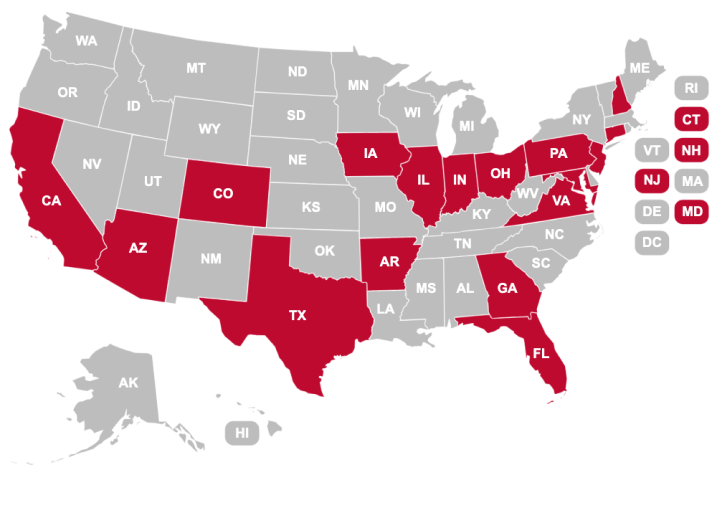
Some states cover most teachers under both a pension and Social Security. California generally relies on CalSTRS for teachers in covered public school positions rather than Social Security coverage on those teaching wages.
Even within California education, coverage can depend on the position, employer, retirement system, and type of work performed. Employees should not assume that every school-related position receives identical payroll treatment.
A CalSTRS pension and Social Security are separate retirement benefits with different funding and calculation rules.
A CalSTRS pension is generally based on:
Social Security is generally based on:
A teacher can receive a CalSTRS pension without qualifying for Social Security. A teacher can also receive both benefits when Social Security eligibility was earned through other covered employment.
The existence of a CalSTRS pension does not itself create Social Security benefits.
Yes. A California teacher may earn Social Security credits through work outside a CalSTRS-covered position.
Examples may include:
Social Security retirement eligibility generally requires 40 credits, although the number needed for disability or survivor benefits may differ.
A person can earn up to four credits per year. Because the dollar amount needed for one credit changes over time, eligibility should be confirmed through the teacher’s personal Social Security record rather than estimated only from years worked.
Working approximately 10 years in covered employment may produce 40 credits, but the exact result depends on earnings and the years in which they were earned.
Teachers can review their Social Security record to confirm whether prior or concurrent employment generated covered earnings.
The record should be checked for:
A pay statement showing Social Security withholding can help document current coverage, but the Social Security earnings record is important because that record is used to determine future eligibility and benefits.
Errors may be easier to resolve while W-2 forms, tax returns, payroll records, and employer information remain available.
The Social Security Fairness Act was signed into law on January 5, 2025. It repealed two provisions that had reduced Social Security benefits for many people receiving pensions from work not covered by Social Security:
The repeal applies to benefits payable after December 2023.
Before repeal, WEP could reduce a worker’s own Social Security retirement or disability benefit when that person also received a pension from noncovered employment.
For example, a teacher might have earned a CalSTRS pension and also qualified for Social Security from prior private-sector work. WEP could alter the formula used to calculate that personal Social Security benefit.
Before repeal, GPO could reduce or eliminate Social Security spousal or survivor benefits for someone receiving a government pension based on noncovered work.
For example, a CalSTRS member might otherwise qualify for a spousal or survivor benefit based on a spouse’s Social Security record. GPO could previously reduce that benefit.
Those two reductions no longer apply for affected benefits payable after December 2023.
The repeal of WEP and GPO was significant, but it did not change several basic Social Security rules.
It did not:
A teacher must still qualify under the normal federal requirements for the benefit being claimed.
The amount may also depend on the teacher’s own earnings history, the spouse’s or former spouse’s record, the age when benefits begin, and other Social Security rules.
A teacher may receive a personal Social Security retirement benefit when enough credits were earned through covered employment.
The amount is calculated from the teacher’s Social Security-covered earnings, not from CalSTRS-covered teaching salary.
Possible sources of qualifying earnings may include:
The repeal of WEP means a CalSTRS pension no longer triggers that former WEP reduction. It does not mean every teacher receives the maximum or “full” Social Security benefit.
The actual amount remains based on the teacher’s covered earnings and claiming age.
A teacher may qualify for a Social Security spousal benefit based on a current spouse’s record when federal eligibility requirements are satisfied.
Eligibility can depend on:
GPO no longer reduces the benefit merely because the teacher receives a CalSTRS pension.
However, normal Social Security rules still apply. A person who qualifies for both a personal retirement benefit and a spousal benefit does not ordinarily receive both full amounts added together. Social Security coordinates the benefits under its regular rules.
A former spouse may qualify for benefits based on an ex-spouse’s record when federal conditions are met.
These commonly include rules involving:
The repeal of GPO removed the former pension-based offset, but it did not remove the basic divorced-spouse eligibility requirements.
A surviving spouse or eligible former spouse may qualify for Social Security survivor benefits based on the deceased worker’s record.
The amount can depend on:
GPO no longer reduces the survivor benefit because of a CalSTRS pension.
The survivor must still meet all other federal eligibility rules and file an application when required.
A teacher works only in CalSTRS-covered positions and never earns Social Security credits elsewhere.
Possible retirement resources may include:
The teaching service itself does not create a personal Social Security retirement benefit.
A teacher works in the private sector before entering California public education and earns enough Social Security credits.
Possible retirement resources may include:
WEP no longer reduces the personal Social Security benefit because of the CalSTRS pension. The benefit amount still depends on covered earnings and claiming age.
A CalSTRS member is married to someone who paid Social Security tax during their career.
The teacher may qualify for:
GPO no longer reduces spousal or survivor benefits because of the CalSTRS pension. Normal eligibility and benefit-coordination rules still apply.
Social Security retirement eligibility and Medicare eligibility are related in some administrative respects, but they are not the same benefit.
Many California teachers pay Medicare tax even though they do not pay Social Security tax on CalSTRS-covered earnings. Medicare eligibility can be based on the worker’s own record or, in some cases, a spouse’s record.
Teachers approaching age 65 should separately review:
CalSTRS does not provide health or dental insurance. Retiree coverage is generally handled through the employer or school district and can vary by bargaining agreement and employer policy.
A useful review can include:
These records help separate official information from assumptions.
CalSTRS should remain the primary source for CalSTRS pension eligibility and benefit calculations. The Social Security Administration remains the primary source for Social Security eligibility and benefit amounts.
State Employee Advisor Network is a marketing and referral platform operated by Revenx LLC. We connect consumers with independent, licensed financial professionals.
SEAN does not calculate CalSTRS or Social Security benefits and does not provide retirement planning, pension advice, investment advice, tax advice, legal advice, or insurance advice.
Professionals participating in the network are independent third parties. They are not employees or representatives of SEAN, and all services, analysis, guidance, and recommendations come solely from the professional.
The introduction is free to consumers. Revenx LLC receives compensation from participating professionals for marketing and referral services. This creates a financial incentive to refer consumers to participating professionals.
Consumers should independently review any professional’s licensing, registrations, experience, services, fees, compensation, conflicts of interest, and disciplinary history before entering an agreement.
Schedule a free introduction to an independent professional.
Most California teachers do not pay Social Security tax on their CalSTRS-covered teaching earnings. Those earnings generally build a CalSTRS pension rather than Social Security credits.
Some teachers can still receive Social Security through other covered employment or through spousal, divorced-spouse, or survivor eligibility.
The repeal of WEP and GPO removed two former reductions that affected many CalSTRS members. It did not create eligibility where no Social Security credits or qualifying family record exists.
The most reliable approach is to review both systems separately: obtain pension information from CalSTRS and Social Security information from the Social Security Administration.
Most California public school educators covered by CalSTRS do not pay Social Security tax on their CalSTRS-covered teaching earnings.
Many do, even when Social Security tax is not withheld. The teacher should confirm Medicare deductions through payroll records.
Yes, when the teacher qualifies for Social Security through other covered work or through an eligible spouse, former spouse, or deceased spouse.
No. It repealed WEP and GPO. Teachers must still meet the standard eligibility requirements for personal, spousal, divorced-spouse, or survivor benefits.
Most workers need 40 credits for retirement benefits. The number required for disability or survivor benefits may differ.
The former WEP and GPO reductions were repealed for benefits payable after December 2023. Other Social Security calculation and eligibility rules still apply.
Not when the teaching position was not covered by Social Security. Only earnings subject to Social Security coverage generally count toward the Social Security earnings record.
CalSTRS provides official pension estimates and service information. The Social Security Administration provides Social Security earnings records, eligibility information, and benefit estimates.

Jeremy contributes regularly to State Employee Advisor Network. With a deep understanding of state pension systems and public-sector benefits, he offers readers insights and strategies to optimize their retirement outcomes.



State Employee Advisor Network is a marketing and referral platform operated by Revenx LLC. We connect consumers with independent, licensed financial professionals. We are not a registered investment adviser, broker-dealer, or insurance agency, and we do not provide investment, legal, or tax advice.
All financial services are provided solely by third-party professionals. Revenx LLC receives compensation from financial professionals for marketing and referral services, which may create a financial incentive to refer individuals to participating professionals. Users should independently evaluate any financial professional before engaging their services.
.png)
.png)

.jpg)