


.png)
Connect With an Independent Professional for Investment Planning
We make the match. They provide the guidance.
What an independent professional can help with
Why use the network instead of searching on your own
Ready to find the right investment planning professional?
Schedule a free introductionFrequently Asked Questions
Find answers to common questions about federal pensions and our advisory process.
How do you choose who to match me with?
Based on your state, whether you're a state-government or university employee, and the topics you tell us you'd like to discuss.
What does investment planning do?
Investment planning is a crucial component of financial planning. It involves assessing your current financial situation, identifying your future goals, and creating a strategy to achieve them. Essentially, investment planning ensures your investments are aligned with your financial objectives, helping you grow your wealth over time.
How does an investment plan work?
An investment plan starts with evaluating your current financial situation and defining your goals. It then involves determining your risk tolerance, time horizon, and asset allocation strategy. Based on these factors, your investment planning advisor will create a diversified portfolio designed to help you achieve your financial objectives.
What is the difference between financial planning and investment planning?
Financial planning is a broader process that covers all aspects of your financial life, including budgeting, retirement planning, tax strategies, and estate planning. Investment planning, on the other hand, focuses specifically on growing your wealth through strategic asset allocation and portfolio management. Both are essential for achieving long-term financial security.
Are the advisors in your network vetted?
Sure, our network only has fully vetted advisors. You can rely on our specialists to help you regarding all your needs, from addressing simple concerns to providing insights on your investment strategy. Get in touch with us today if you need our help.
What does it cost?
The introduction is free to you. We are compensated by participating professionals for marketing and referral services, which creates a financial incentive for us to refer you to participating professionals. You should independently evaluate any professional before engaging their services.
Is the professional I meet with employed by you or by my employer?
Neither. Every professional in the network is independent not our employee, and not affiliated with your employer, university, or pension office.
Does State Employee Advisor Network provide investment advice?
No. We are a marketing and referral platform operated by Revenx LLC. We are not a registered investment adviser, broker-dealer, or insurance agency. All guidance comes from the independent, third-party professional you meet with.
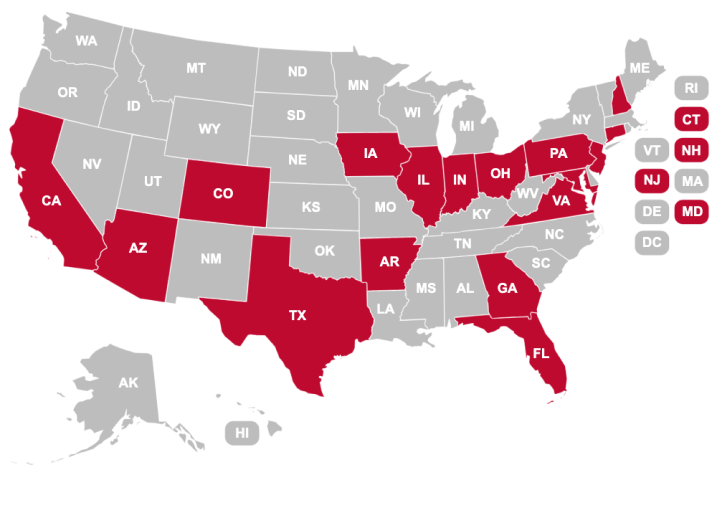
Areas We Serve


Quick Links
Services



State Employee Advisor Network is a marketing and referral platform operated by Revenx LLC. We connect consumers with independent, licensed financial professionals. We are not a registered investment adviser, broker-dealer, or insurance agency, and we do not provide investment, legal, or tax advice.
All financial services are provided solely by third-party professionals. Revenx LLC receives compensation from financial professionals for marketing and referral services, which may create a financial incentive to refer individuals to participating professionals. Users should independently evaluate any financial professional before engaging their services.