


.png)
Educational Disclosure: This article is provided for general educational purposes only. It does not constitute financial, investment, tax, legal, insurance, or retirement advice. State Employee Advisor Network is a marketing and referral platform operated by Revenx LLC. SEAN does not provide retirement consulting or make financial recommendations. Any individualized guidance must come from an independent, appropriately licensed professional.
State employees often have retirement benefits that differ from those available to private-sector workers. A benefits package may include a defined-benefit pension, a governmental 457(b), a 403(b), Social Security, retiree health coverage, or another employer-sponsored program.
Understanding these benefits can become more difficult when different agencies administer each part. The pension system may explain pension rules, the employer may administer insurance and leave benefits, and separate recordkeepers may manage supplemental retirement accounts.
Some employees therefore consider working with a retirement consultant or financial professional. Before hiring anyone, it is important to understand the service being offered, how the professional is regulated, what the engagement will cost, and whether the person actually understands the employee’s public retirement system.
The following seven basics provide a practical framework for evaluating a retirement professional without assuming that every state employee needs one.
“Retirement consultant” is a broad description rather than one standardized professional category. Two people using that title may provide very different services.
One may provide general education about a pension system. Another may be an investment adviser representative who provides investment advice. Another may sell insurance or annuity products. Some professionals provide comprehensive financial planning, while others focus on one account or transaction.
Before comparing professionals, identify the questions that need to be addressed. These may involve:
This first step helps prevent paying for a broad service when only a limited review is needed. It also allows the employee to ask whether the professional is licensed and qualified to address the specific topic.
A pension administrator can generally explain plan rules and provide official benefit estimates. An investment professional may discuss investment accounts within the scope of their licensing. Tax and legal questions may require separate qualified professionals.
Public pension systems are not uniform. Each state, retirement system, employee classification, and membership tier may have its own rules.
A professional who has worked with private-sector 401(k) participants may not automatically understand:
Ask the professional to identify the retirement systems and employee groups they have previously worked with. Familiarity with one state plan does not establish expertise in another.
The professional should also be willing to work from current official documents. Pension rules can change, and employees may be covered by different provisions depending on their hire date or membership tier.
Useful materials may include:
The retirement system remains the authoritative source for official service credit, eligibility, and benefit determinations. A consultant’s calculation should not replace an official estimate.
Employees with a 403(b) may also use the existing 403(b) Retirement Calculator as an educational projection tool. Calculator results depend on assumptions and should not be treated as guaranteed account values or personalized investment advice.
A professional title alone does not confirm what services a person is legally permitted to provide.
Terms such as consultant, financial professional, retirement specialist, wealth manager, and advisor may be used in different business contexts. The relevant questions are what licenses or registrations the person holds and which firm supervises the activity.
Depending on the service, verify:
Investor.gov provides a search tool that can direct consumers to investment-adviser and brokerage-registration information. Its resources also recommend reviewing a professional’s services, fees, conflicts of interest, qualifications, employment history, and disciplinary background.
A credential may demonstrate education or testing, but it does not replace regulatory registration or establish that the professional understands a particular state pension.
Verification should be completed independently rather than relying only on statements made during a sales presentation.
The original version of this article stated that every retirement consultant should be a fiduciary “100% of the time.” That description is too broad because a professional’s legal duties can depend on the service, account, transaction, applicable law, and capacity in which the professional is acting.
A person may act as an investment adviser in one relationship and as a broker or insurance producer in another. The applicable duties and compensation may therefore change.
Ask the professional:
For retirement-plan or IRA investment advice, the Department of Labor encourages investors to ask whether the provider is acting as a fiduciary and to request a written acknowledgment when applicable.
A fiduciary statement is important, but it should not be the only selection criterion. Licensing, experience, fees, conflicts, service scope, and disciplinary history still require review.
The price of retirement consulting may not appear as one simple charge.
A professional or firm may receive:
Ask for the total estimated cost in both percentage and dollar terms. A percentage can appear small until it is applied to an account balance year after year.
Questions can include:
The SEC’s Form CRS framework is intended to help retail investors review a firm’s services, fees, costs, conflicts, standards of conduct, and reportable disciplinary history.
A higher fee is not automatically inappropriate, and a lower fee does not automatically mean better value. The comparison should focus on the actual service, total cost, and available alternatives.
Compensation can influence what a professional recommends. This does not automatically mean that a product or service is unsuitable, but the incentive should be understood.
For example, a professional may receive different compensation for:
Ask the professional to explain each material conflict in plain language.
Useful questions include:
The SEC advises consumers to understand conflicts because they can affect the advice or recommendations provided. It also emphasizes disclosure of incentives created by third-party compensation.
A professional should not rely only on broad statements such as “this is in your best interest.” The employee should be able to understand the proposed action, cost, alternatives, risks, and compensation arrangement.
The final step is confirming what will happen after the initial conversation.
Some professionals provide only a one-time pension or retirement review. Others offer ongoing investment management, annual planning meetings, or access to a broader team.
Before signing, review:
Do not assume that the professional will automatically monitor pension-law changes, beneficiary records, insurance coverage, or every retirement account.
Clarify who is responsible for implementing recommendations. A consultant may provide analysis without having authority to change pension elections or workplace-plan investments.
Employees should also retain copies of agreements, disclosures, reports, and written recommendations. These records make it easier to understand what was promised and compare future services with the original engagement.
Certain behaviors deserve additional scrutiny:
No professional can guarantee a secure retirement, maximum pension, particular investment return, or lifetime income outcome.
A professional who discusses a state pension should also distinguish between official plan information and their own financial analysis.
State Employee Advisor Network is a marketing and referral platform operated by Revenx LLC. We connect consumers with independent, licensed financial professionals.
SEAN does not provide retirement consulting, financial planning, pension advice, investment advice, tax advice, or legal advice. Professionals participating in the network are independent third parties and are not employees or representatives of SEAN. All services, analysis, guidance, and recommendations come solely from the professional.
The introduction is free to consumers. Revenx LLC receives compensation from participating professionals for marketing and referral services. This creates a financial incentive to refer consumers to participating professionals.
Consumers should independently review any professional’s licensing, registrations, services, fees, conflicts of interest, and disciplinary history before engaging them. The retirement plan consultant page provides more information about the referral process.
Schedule a free introduction to an independent professional.
Hiring a retirement consultant is not automatically necessary for every state employee. Some benefit questions can be answered through the retirement system, employer, Social Security Administration, or workplace-plan administrator.
Professional assistance may be considered when an employee wants individualized analysis, needs to coordinate several accounts, or is evaluating decisions that extend beyond administrative plan information.
Before hiring anyone, define the required service, verify public-sector experience, check licensing and background, understand the applicable standard of conduct, identify every fee, examine conflicts, and review the written agreement.
This process does not guarantee a particular outcome. It can provide a clearer basis for deciding whether the professional’s services match the employee’s needs and whether the proposed cost and relationship are acceptable.
Services vary. A professional may provide pension-related education, retirement-income projections, investment advice, insurance analysis, or financial planning, depending on their licensing and engagement. The pension system remains responsible for official benefit calculations and eligibility decisions.
No. Some employees can use official plan documents and employer resources to understand their benefits. Others may seek independent assistance when their accounts, pension elections, taxes, insurance, or retirement-income questions are more complex.
There is no universal timeline. A review may be considered after a major career change, before a pension election, when coordinating several accounts, or as retirement approaches. The appropriate timing depends on the employee’s circumstances and the decision involved.
Ask whether the professional will act as a fiduciary for the specific service or recommendation being provided and request the answer in writing. Do not assume that the same standard applies to every activity the professional performs.
A consultant may prepare an estimate or explain a formula, but the applicable retirement system is the authoritative source for official service credit, eligibility, and benefit amounts.
Investor.gov provides tools for reviewing registration and directing users to public records covering business practices, employment history, qualifications, fees, conflicts, and reportable disciplinary information.
Relevant documents may include pension statements, official benefit estimates, plan handbooks, workplace-account statements, Social Security estimates, insurance information, beneficiary records, and a list of questions. Avoid sending sensitive information through an unsecured channel.

Jeremy contributes regularly to State Employee Advisor Network. With a deep understanding of state pension systems and public-sector benefits, he offers readers insights and strategies to optimize their retirement outcomes.

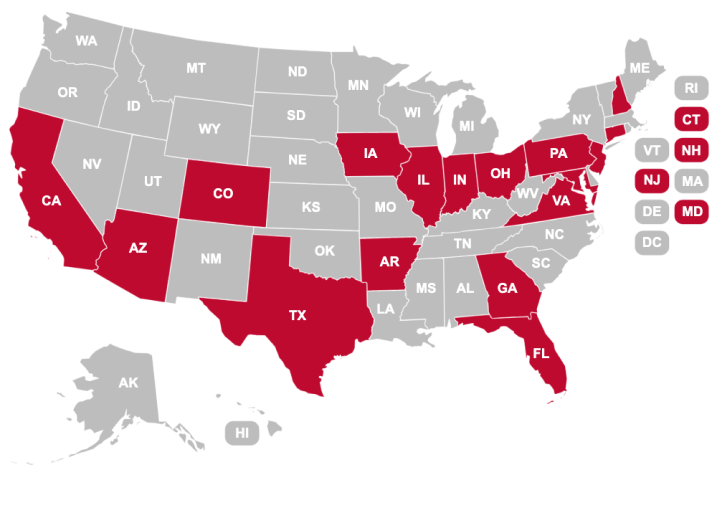


State Employee Advisor Network is a marketing and referral platform operated by Revenx LLC. We connect consumers with independent, licensed financial professionals. We are not a registered investment adviser, broker-dealer, or insurance agency, and we do not provide investment, legal, or tax advice.
All financial services are provided solely by third-party professionals. Revenx LLC receives compensation from financial professionals for marketing and referral services, which may create a financial incentive to refer individuals to participating professionals. Users should independently evaluate any financial professional before engaging their services.
.png)
.png)

.jpg)